Comprehensive Dental Implant Procedures and Recovery Guidance for Patients
Dental implants are a transformative solution for individuals experiencing tooth loss. They not only restore functionality but also enhance aesthetics, enabling individuals to regain confidence in their smiles. Throughout this article, readers will gain insights into dental implant procedures, recovery guidelines, and aftercare recommendations. Understanding the detailed steps involved in dental implants helps patients make informed decisions and navigate the recovery process smoothly. This guide covers the types of dental implants, potential risks, costs, and essential aftercare practices that are vital for a successful outcome. It draws on the clinical approach used at Platinum Smile Dental in Mandurah, where implant treatments are led by principal dentist Dr. Eugene Khoo, who brings more than two decades of clinical experience, with the team maintaining current standards as members of the Australian Dental Association.
Detailed Procedures
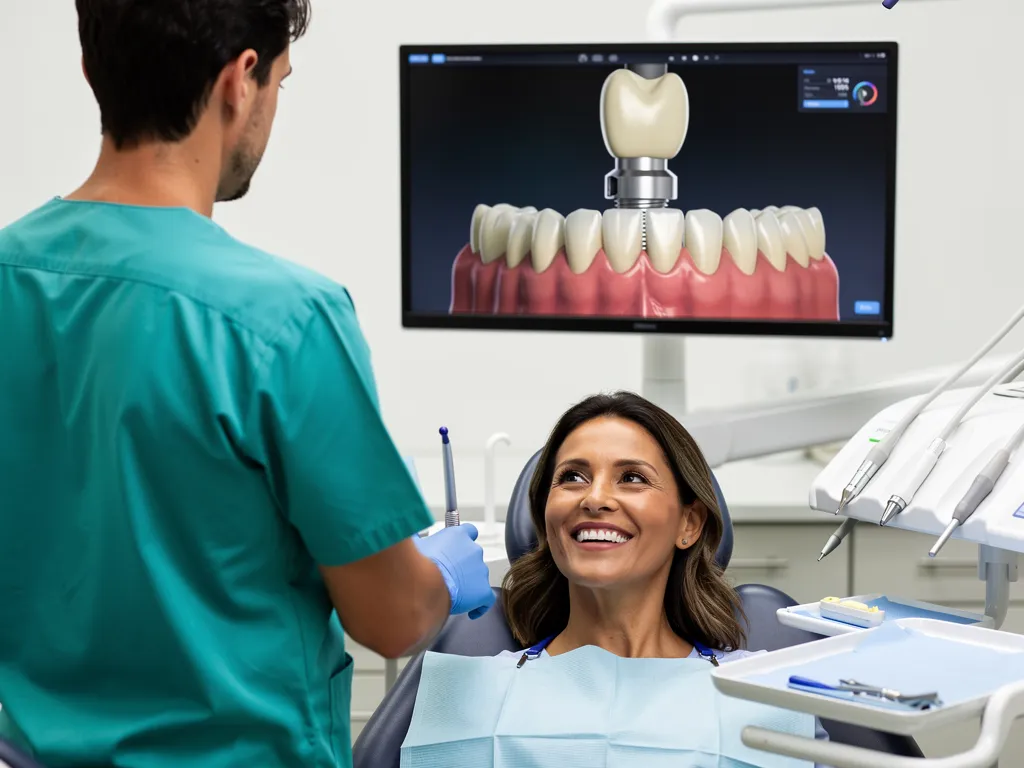
The dental implant process involves several critical stages to ensure the successful integration of the implants into the jawbone.
Initial Consultation and Assessment: Your dentist will evaluate your oral health and create a comprehensive treatment plan.
Surgical Placement: The implant is surgically placed into the jawbone, serving as an artificial root for a prosthetic tooth.
Healing Period (Osseointegration): The implant integrates with the bone over several months, a process known as osseointegration.
Prosthetic Restoration: After healing, a custom prosthetic crown is attached to the implant, completing the restoration.
Initial Consultation and Assessment: Your dentist will evaluate your oral health and create a comprehensive treatment plan.
Surgical Placement: The implant is surgically placed into the jawbone, serving as an artificial root for a prosthetic tooth.
Healing Period (Osseointegration): The implant integrates with the bone over several months, a process known as osseointegration.
Prosthetic Restoration: After healing, a custom prosthetic crown is attached to the implant, completing the restoration.
These meticulously planned steps not only ensure success but also contribute to long-term patient satisfaction and comfort.
Recovery Guidelines
Recovering from dental implant surgery involves careful adherence to guidelines that promote healing and minimize complications.
First 48-72 Hours Care: Patients should rest and avoid strenuous activities to facilitate healing.
Post-operative Check-up: Follow-up appointments are crucial to monitor healing and address any concerns.
Hygiene Maintenance: Maintaining oral hygiene is essential, starting gently in the first few days and gradually returning to regular habits.
First 48-72 Hours Care: Patients should rest and avoid strenuous activities to facilitate healing.
Post-operative Check-up: Follow-up appointments are crucial to monitor healing and address any concerns.
Hygiene Maintenance: Maintaining oral hygiene is essential, starting gently in the first few days and gradually returning to regular habits.
Adhering to these guidelines significantly impacts the overall success of the implant procedure and aids in a quicker recovery.
Potential Risks
Like any surgical procedure, dental implants carry potential risks. Key concerns include:
Infection: There is a risk of infection at the surgical site that can impede healing.
Implant Failure Risks: Although rare, there is a possibility that the implant may not successfully integrate with the jawbone.
Nerve Irritation: Nerve damage can occur during surgery, potentially leading to pain or discomfort in the surrounding area.
Infection: There is a risk of infection at the surgical site that can impede healing.
Implant Failure Risks: Although rare, there is a possibility that the implant may not successfully integrate with the jawbone.
Nerve Irritation: Nerve damage can occur during surgery, potentially leading to pain or discomfort in the surrounding area.
Patients should discuss these risks with their dental professional to make informed decisions.
Aftercare Recommendations
Aftercare is a critical component in ensuring the longevity of dental implants. Key practices include:
Hygiene Practices: Employ gentle brushing and flossing techniques to maintain cleanliness around the implant site.
Regular Dental Check-ups: Schedule consistent appointments with your dentist for monitoring the condition of the implants.
Lifestyle Changes for Implant Longevity: Avoid smoking and excessive alcohol consumption, as these can affect healing.
Hygiene Practices: Employ gentle brushing and flossing techniques to maintain cleanliness around the implant site.
Regular Dental Check-ups: Schedule consistent appointments with your dentist for monitoring the condition of the implants.
Lifestyle Changes for Implant Longevity: Avoid smoking and excessive alcohol consumption, as these can affect healing.
These aftercare practices contribute to the long-term success of the implants, ensuring they function well and maintain a natural appearance.
Summary
In summary, dental implants are a reliable option for restoring smiles and improving oral health. The proper procedures, attentive recovery practices, and diligent aftercare significantly influence the success of dental implants. Regular check-ups and maintenance play a crucial role in preventing complications and ensuring the best outcomes for patients.
What Are Dental Implants and How Do They Restore Smiles?
Dental implants are artificial tooth roots that provide a permanent base for fixed or removable replacement teeth. They are typically made of titanium, which integrates with the jawbone through osseointegration, making them a durable and effective solution for missing teeth. These implants help restore both the function and aesthetics of a person’s smile, allowing for normal eating, speaking, and improved confidence.
Procedure Involved
The dental implant process is comprehensive, requiring meticulous planning and execution. It generally involves multiple steps:
Assessment and Planning: The initial step involves X-rays and impressions to create a tailored treatment plan.
Surgical Placement: The dentist surgically inserts the implant into the jawbone.
Healing Period: After placement, a healing period of several months is essential for bone integration before the restoration process begins.
Assessment and Planning: The initial step involves X-rays and impressions to create a tailored treatment plan.
Surgical Placement: The dentist surgically inserts the implant into the jawbone.
Healing Period: After placement, a healing period of several months is essential for bone integration before the restoration process begins.
This thorough approach ensures a successful outcome for patients seeking dental implants.
Benefits for Patients
Opting for dental implants carries various benefits, including:
Restored Functionality: Implants allow patients to eat and speak naturally, improving their quality of life.
Aesthetic Improvement: They look and feel like natural teeth, helping to maintain facial structure.
Jawbone Preservation: Implants prevent bone loss that typically occurs after tooth loss, maintaining jaw integrity.
Restored Functionality: Implants allow patients to eat and speak naturally, improving their quality of life.
Aesthetic Improvement: They look and feel like natural teeth, helping to maintain facial structure.
Jawbone Preservation: Implants prevent bone loss that typically occurs after tooth loss, maintaining jaw integrity.
These advantages make dental implants a preferred choice for many patients.
Recovery Guidance
Recovery from dental implant surgery varies between individuals, but general guidance includes:
Initial Care Suggestions: Follow the dentist’s recommendations for pain management and care during the healing phase.
Follow-Up Visits: Regular check-ups are critical to monitor healing and address any potential issues promptly.
Long-Term Maintenance: After healing, maintaining the implant involves regular oral hygiene and professional check-ups.
Initial Care Suggestions: Follow the dentist’s recommendations for pain management and care during the healing phase.
Follow-Up Visits: Regular check-ups are critical to monitor healing and address any potential issues promptly.
Long-Term Maintenance: After healing, maintaining the implant involves regular oral hygiene and professional check-ups.
Understanding these recovery elements is crucial for ensuring the longevity and success of dental implants.
Definition and Types of Dental Implants Including All on 4
Dental implants can be categorized into several types based on their placement and structure:
Endosteal Implants: The most common type, inserted directly into the jawbone.
Subperiosteal Implants: Placed under the gum but above the jawbone, typically used for patients lacking sufficient bone height.
Mini Implants: Smaller in diameter, often used for less invasive procedures.
Endosteal Implants: The most common type, inserted directly into the jawbone.
Subperiosteal Implants: Placed under the gum but above the jawbone, typically used for patients lacking sufficient bone height.
Mini Implants: Smaller in diameter, often used for less invasive procedures.
Additionally, the All on 4 technique allows the placement of multiple implants in a single surgery, supporting a full arch of prosthetic teeth for full mouth restoration, which is a popular option for many patients seeking a complete, long-lasting solution.
Functions and Benefits of Dental Implants
The primary functions of dental implants include:
Restoration of Function: They restore chewing ability and speech patterns, which can be impacted by missing teeth.
Aesthetic Improvement: Dental implants provide a natural-looking solution that enhances overall facial appearance.
Jawbone Preservation: The integration of the implants with the jawbone stimulates bone growth, preventing deterioration over time.
Restoration of Function: They restore chewing ability and speech patterns, which can be impacted by missing teeth.
Aesthetic Improvement: Dental implants provide a natural-looking solution that enhances overall facial appearance.
Jawbone Preservation: The integration of the implants with the jawbone stimulates bone growth, preventing deterioration over time.
The multifaceted benefits of dental implants underscore their role in modern dentistry.
Differences Between Implant Types
Different types of dental implants serve distinct purposes, characterized by their placement and structural design:
Placement Differences: Endosteal implants are directly placed in the jawbone, while subperiosteal implants rest beneath the gum.
Use Cases for Each Type: Mini implants are often used in cases with limited space due to their smaller size.
Success Rates Comparison: Endosteal implants showcase higher success rates compared to subperiosteal implants, based on integration with bone density.
Placement Differences: Endosteal implants are directly placed in the jawbone, while subperiosteal implants rest beneath the gum.
Use Cases for Each Type: Mini implants are often used in cases with limited space due to their smaller size.
Success Rates Comparison: Endosteal implants showcase higher success rates compared to subperiosteal implants, based on integration with bone density.
Understanding these differences helps patients make informed decisions regarding their dental restoration options.
Benefits of Choosing Dental Implants for Oral Restoration
Choosing dental implants for oral restoration offers several key advantages:
Functional Restoration: Implants replace missing teeth effectively, restoring normal function.
Improved Aesthetics: They provide a lifelike appearance, enhancing self-esteem and confidence.
Jawbone Preservation: Implants stimulate the jawbone, preventing atrophy and maintaining facial structure.
Functional Restoration: Implants replace missing teeth effectively, restoring normal function.
Improved Aesthetics: They provide a lifelike appearance, enhancing self-esteem and confidence.
Jawbone Preservation: Implants stimulate the jawbone, preventing atrophy and maintaining facial structure.
These benefits illustrate why many patients opt for dental implants over other restoration methods.
How Is the Dental Implant Procedure Performed by Expert Implant Dentists?
Expert implant dentists follow a systematic approach to performing dental implants to ensure success:
Initial Consultation: The process begins with an in-depth assessment of oral health and a customized treatment plan.
Surgical Process: The implant is placed in the jawbone in a sterile surgical environment.
Post-operative Care: Pain management and care instructions are provided to facilitate healing.
Initial Consultation: The process begins with an in-depth assessment of oral health and a customized treatment plan.
Surgical Process: The implant is placed in the jawbone in a sterile surgical environment.
Post-operative Care: Pain management and care instructions are provided to facilitate healing.
This structured approach allows for optimal results and patient safety.
Step-by-Step Overview of Implant Dental Surgery
The surgical procedure for dental implants unfolds in several detailed steps:
Pre-operative Assessments: Comprehensive evaluations are conducted to determine suitability for implants.
Surgical Techniques: Various techniques may be employed based on the individual case, including flapless surgery and traditional methods.
Post-operative Instructions: Clear guidance is provided to aid in recovery and implant success.
Pre-operative Assessments: Comprehensive evaluations are conducted to determine suitability for implants.
Surgical Techniques: Various techniques may be employed based on the individual case, including flapless surgery and traditional methods.
Post-operative Instructions: Clear guidance is provided to aid in recovery and implant success.
This step-by-step overview summarizes the typical progression of dental implant surgery.
Role of an Implant Dentist Near Me in Consultation and Planning
The role of an implant dentist is crucial in the consultation and planning phases:
Initial Assessments: Dentists evaluate overall oral health and any specific issues that may affect the procedure.
Creating a Treatment Plan: A tailored plan is developed to meet the individual needs of the patient and anticipate potential challenges.
Local Specialization Benefits: Consulting with local specialists can provide updated techniques and innovations in dental implantology.
Initial Assessments: Dentists evaluate overall oral health and any specific issues that may affect the procedure.
Creating a Treatment Plan: A tailored plan is developed to meet the individual needs of the patient and anticipate potential challenges.
Local Specialization Benefits: Consulting with local specialists can provide updated techniques and innovations in dental implantology.
These interactions ensure patients have a thorough understanding of the process.
What Are the Costs Associated with Dental Implants and All On 4 Treatments?
The costs of dental implants can vary widely based on several factors, including:
Cost Comparisons of Different Options: Pricing for traditional implants and All on 4 treatments varies by package, so please contact the practice directly for an accurate quote tailored to your case.
Factors Influencing Pricing: Costs are influenced by the material of the implant, the complexity of the procedure, and additional treatments, such as extractions or bone grafting.
Cost Comparisons of Different Options: Pricing for traditional implants and All on 4 treatments varies by package, so please contact the practice directly for an accurate quote tailored to your case.
Factors Influencing Pricing: Costs are influenced by the material of the implant, the complexity of the procedure, and additional treatments, such as extractions or bone grafting.
Discussing these costs openly with your dental provider helps patients prepare financially for their procedures.
What Is the Expected Recovery Time After Dental Implant Surgery?
The recovery time following dental implant surgery varies based on individual health and the complexity of the procedure, typically spanning:
Different Recovery Stages: Immediate healing occurs within the first few days, while complete osseointegration can take 2-6 months.
Factors Affecting Recovery Time: Individual health factors, such as age and bone quality, significantly influence recovery duration.
Different Recovery Stages: Immediate healing occurs within the first few days, while complete osseointegration can take 2-6 months.
Factors Affecting Recovery Time: Individual health factors, such as age and bone quality, significantly influence recovery duration.
Being aware of these timelines assists patients in planning their post-operative care and expectations.
Typical Dental Implant Recovery Stages and Patient Care
Recovery following dental implant surgery involves various stages:
Immediate Post-operative Care: This stage focuses on managing discomfort and promoting initial healing.
Monitoring Recovery Progress: Regular visits to the dentist are essential to assess healing and address any complications.
Long-term Maintenance: After initial healing, ongoing dental care is vital for sustaining the integrity of the implants.
Immediate Post-operative Care: This stage focuses on managing discomfort and promoting initial healing.
Monitoring Recovery Progress: Regular visits to the dentist are essential to assess healing and address any complications.
Long-term Maintenance: After initial healing, ongoing dental care is vital for sustaining the integrity of the implants.
Understanding these stages aids patients in navigating their recovery effectively.
How to Manage Comfort and Support Healing at Home
Managing comfort and supporting healing at home includes:
Postoperative Care Tips: Use prescribed medications and apply ice packs to reduce swelling as recommended.
Pain and Swelling Management: Follow guidelines on over-the-counter pain management and watch for signs of complications.
Postoperative Care Tips: Use prescribed medications and apply ice packs to reduce swelling as recommended.
Pain and Swelling Management: Follow guidelines on over-the-counter pain management and watch for signs of complications.
Implementing these strategies helps facilitate a smoother recovery experience.
How to Maintain Dental Implants for Long-Term Oral Health and Function?
Maintaining dental implants is critical for their longevity and includes:
Daily Self-Care Routines: Patients should adhere to strict oral hygiene practices, including regular brushing and flossing.
Professional Maintenance Visits: Schedule routine check-ups to monitor the condition of the implants and surrounding tissues.
Daily Self-Care Routines: Patients should adhere to strict oral hygiene practices, including regular brushing and flossing.
Professional Maintenance Visits: Schedule routine check-ups to monitor the condition of the implants and surrounding tissues.
Establishing a comprehensive maintenance routine contributes to the overall health of the implants and surrounding bone structure.
Recommended Aftercare Practices for Implant Longevity
Aftercare practices are vital for the success and longevity of dental implants:
Hygiene Practices: Use a soft-bristled toothbrush to prevent damage during cleaning.
Lifestyle Adjustments: Consider dietary changes and avoid smoking, which can impair healing.
Hygiene Practices: Use a soft-bristled toothbrush to prevent damage during cleaning.
Lifestyle Adjustments: Consider dietary changes and avoid smoking, which can impair healing.
Focusing on these aftercare practices ensures that dental implants provide years of service.
Follow-Up Consultations and Regular Check-Ups with Your Dentist
One of the most important factors in ensuring the success of dental implants is regular follow-up consultations:
Monitoring Implant Success: Regular check-ups help assess the health of the implants and surrounding oral tissue.
Checking for Complications: Early detection of any issues can prevent more significant problems and ensure implants’ longevity.
Monitoring Implant Success: Regular check-ups help assess the health of the implants and surrounding oral tissue.
Checking for Complications: Early detection of any issues can prevent more significant problems and ensure implants’ longevity.
Commitment to consistent dental visits fosters both confidence in outcomes and proactive oral health management.
The Impact of Cosmetic Dental Design on Your Confidence: How Smile Makeovers Boost Self-Esteem and Improve Self-Image
Cosmetic dental design transforms your smile into a powerful confidence builder by aligning aesthetics with self‐perception and social impact. In this guide you will discover how dental design techniques enhance psychological well-being, which procedures deliver the greatest confidence gains, how digital smile design personalizes your journey, real patient transformations that reveal emotional shifts, long-term maintenance strategies, and criteria for selecting the right smile design partner. By exploring the interplay between dental aesthetics and self-image, you’ll learn how Confidence Dental Solutions’ tailored treatment plans integrate porcelain veneers, whitening, implants, orthodontics, bonding, and digital previews to produce lasting boosts in self-assurance.
How Does Cosmetic Dental Design Enhance Confidence and Self-Esteem?
Cosmetic dental design improves confidence by reshaping dental aesthetics in ways that directly influence self-perception and social engagement. By combining artistic planning with medical precision, dental design aligns tooth shape, color, and alignment with facial harmony, leading to measurable boosts in self-esteem. Patients experience deeper emotional well-being as improved dental appearance alleviates anxiety, fosters positive self-image, and promotes greater social and professional interaction.
What Psychological Benefits Result from Improved Dental Aesthetics?
Enhanced dental aesthetics increases self-acceptance and reduces appearance-related anxiety through visible, lasting results.
Improved self-perception reduces negative self-talk and builds a more positive internal narrative.
Elevated mood and reduced social anxiety encourage more frequent smiling and engagement.
Stronger body image fosters resilience against critical judgments and supports mental health.
These psychological gains establish a foundation for stepping confidently into social and career opportunities, leading into how a radiant smile influences everyday interactions.
How Does a Confident Smile Influence Social and Professional Interactions?
A confident smile functions as a nonverbal signal of approachability, trustworthiness, and competence. By projecting warmth and self-possession, patients report smoother first impressions in networking and interviews. Colleagues and peers respond more favorably, reinforcing positive feedback loops that further strengthen self-esteem. As social engagements become easier, professional opportunities expand, illustrating the direct link between enhanced dental design and social/professional success.
What Role Does Self-Perception Play in Smile-Related Confidence?
Self-perception acts as the internal gauge of one’s appearance relative to personal ideals and societal standards. When dental design aligns your smile with aesthetic goals, it redirects self-focus from perceived flaws to expressions of self-assurance.
Recognition of a harmonious smile affirms personal worth and motivates confident body language.
Positive self-assessment reduces cognitive distractions during social tasks.
A reinforced self-image underpins sustained confidence even in high-stress scenarios.
Strengthening self-perception complements procedural benefits and leads naturally into exploring which treatments yield the greatest confidence gains.
Which Cosmetic Dental Procedures Most Effectively Boost Confidence?
Cosmetic dental procedures boost confidence by addressing specific dental imperfections through targeted interventions that combine form and function. The table below compares core treatments, their primary benefit, and the confidence value they deliver.
Procedure
Primary Benefit
Confidence Outcome
Porcelain Veneers
Uniform, flawless tooth surface
Immediate self-esteem boost through complete smile
Teeth Whitening
Brightness enhancement
Quick uplift in self-image and smile openness
Dental Implants
Functional tooth replacement
Restored self-assurance in speaking and chewing
Orthodontic Treatment
Precise tooth alignment
Long-term confidence from symmetrical dental arch
Cosmetic Bonding
Minor shape and size correction
Subtle enhancements that yield notable confidence
This comparison clarifies how each procedure addresses distinct aesthetic and functional needs while collectively bolstering self-esteem and social ease.
How Do Porcelain Veneers Improve Smile Appearance and Self-Esteem?
Porcelain veneers correct dental imperfections by covering tooth surfaces with ultra-thin ceramic shells, creating a uniform, natural look. This procedure conceals discoloration, irregular spacing, and minor misalignments, producing an immediate and dramatic smile transformation. Veneers enhance self-esteem by delivering a consistently bright, symmetrical smile that patients view as a reflection of personal success and care.
What Confidence Benefits Does Teeth Whitening Provide?
Teeth whitening brightens enamel by up to eight shades through peroxide-based bleaching agents, delivering rapid results in one or two sessions. The mechanism of action removes extrinsic stains from coffee, tobacco, and aging, producing a visibly whiter smile. Patients experience an instant boost in self-image, feel more inclined to smile in photos, and report higher comfort levels during social interactions.
How Do Dental Implants Restore Function and Self-Assurance?
Dental implants replace missing teeth with titanium posts anchored into the jawbone, supporting lifelike crowns that restore full chewing function. By preventing bone loss and maintaining facial structure, implants revive confident speech and ease in eating. Functional restoration translates into renewed self-assurance, as patients no longer hide their smile or avoid social dining.
How Can Orthodontic Treatments Align Teeth for Lasting Confidence?
Orthodontic treatments use braces or clear aligners to guide tooth movement through controlled pressure over several months. Proper alignment enhances bite efficiency and distributes biting forces evenly, reducing wear and discomfort. As teeth shift into ideal positions, patients develop enduring confidence from a harmonious smile that reflects balanced facial aesthetics.
What Are the Confidence Gains from Cosmetic Bonding and Contouring?
Cosmetic bonding and contouring sculpt tooth shape and size by applying composite resin and selectively reshaping enamel. This minimally invasive approach refines minor imperfections—such as chipped edges and uneven surfaces—without extensive preparation. Subtle yet impactful, these enhancements deliver a welcome confidence lift that complements larger procedures and fine-tunes smile design.
How Does Digital Smile Design (DSD) Personalize Your Confidence Journey?
Digital Smile Design (DSD) personalizes your confidence journey by using advanced imaging and CAD/CAM software to visualize and plan smile goals before treatment begins. This process maps facial features and simulates outcomes, empowering patients to collaborate on tooth shape, shade, and positioning. By providing a detailed preview, DSD reduces anxiety, increases trust, and anchors patient expectations in precise digital models.
What Is Digital Smile Design and How Does It Work?
Digital Smile Design integrates high-resolution photographs, intraoral scans, and 3D facial analysis to create a virtual mock-up of your intended smile. Using specialized software, practitioners adjust tooth proportions, gingival contours, and color harmony in real time. This mechanism delivers a clear definition of final results, ensuring that cosmetic dental design decisions align with each patient’s aesthetic and functional aspirations.
How Does Visualization Reduce Anxiety and Build Trust in Treatment?
A digital mock-up clarifies procedural steps and timelines, alleviating fear of the unknown.
Side-by-side comparisons of current versus projected smiles foster informed consent.
Transparent design sessions deepen trust in the dentist’s expertise and treatment plan.
This process primes patients for a comfortable experience and naturally leads to collaborative decision-making.
How Does Patient Collaboration in DSD Enhance Outcome Confidence?
Patient collaboration in DSD involves active feedback on design parameters such as tooth length, alignment, and shade selection. This partnership ensures that individual preferences drive the final plan, aligning medical practice with personal identity. As patients see their input materialize in digital prototypes, confidence in both the procedure and the result increases, creating a shared commitment to an exceptional outcome.
Real patient experiences demonstrate how smile makeovers generate profound shifts in self-esteem and daily life. Through case studies and testimonials, individuals report newfound social freedom, professional breakthroughs, and enduring emotional resilience resulting from customized cosmetic dental design.
How Have Smile Makeovers Changed Patients’ Self-Esteem and Social Life?
Smile makeovers change self-esteem by replacing self-consciousness with genuine pride in appearance. Patients describe enhanced comfort in social settings, leading to more spontaneous laughter and open communication. Improved smile aesthetics often translate into invitations for photos and events, reinforcing positive feedback loops that sustain elevated confidence levels.
What Do Before-and-After Stories Reveal About Psychological Impact?
Before-and-after stories reveal that visible transformation correlates with decreased social anxiety and increased approachability. One patient recalled avoiding professional networking due to yellowed teeth, while after whitening and veneers she reported twice as many new contacts at conferences. These narratives underscore the link between aesthetic change and psychological empowerment.
How Do Video Testimonials Support Emotional Connection and Trust?
Video testimonials support emotional connection by capturing authentic patient reactions to their new smiles. Observing genuine expressions of joy, relief, and pride validates the credibility of cosmetic dental design. This engaging format builds trust in Confidence Dental Solutions’ methods, illustrating outcomes more vividly than text alone and reinforcing the emotional benefits of a well-designed smile.
How Can You Maintain Your Confident Smile Long-Term?
Maintaining a confident smile long-term involves consistent oral hygiene, routine professional care, and strategies to preserve both aesthetic results and emotional well-being. By integrating preventive practices and self-care rituals, patients extend the life of their cosmetic dental design and sustain self-assurance.
What Are Best Practices for Oral Hygiene After Cosmetic Dental Procedures?
Brush twice daily with non-abrasive fluoride toothpaste to protect enamel and veneers.
Floss daily or use interdental brushes to remove plaque between crowns and implants.
Rinse with an alcohol-free antimicrobial mouthwash to support gum health.
Adhering to these routines safeguards both aesthetics and oral health, setting the stage for lasting confidence.
How Does Regular Care Sustain Both Aesthetics and Confidence?
Regular professional cleanings and check-ups sustain aesthetics by removing surface stains and detecting early signs of wear or discoloration. Polishing sessions keep veneers and bonds lustrous, while routine implant evaluations confirm stable osseointegration. This proactive maintenance underpins ongoing self-assurance, as patients remain confident in their smile’s appearance and structural integrity.
What Are Tips for Managing Anxiety and Preserving Self-Esteem Post-Treatment?
Discuss post-operative sensations and timelines thoroughly to set accurate anticipations.
Document progress with photos to celebrate incremental improvements.
Practice positive affirmations about your new smile to reinforce self-image.
These strategies foster a resilient mindset and ensure that confidence gains endure beyond clinical care.
How Do You Choose the Right Cosmetic Dental Design Partner for Confidence?
Choosing the right cosmetic dental design partner involves evaluating practitioner expertise, technology adoption, patient rapport, and personalized care processes. An ideal partner blends clinical proficiency with empathetic communication, ensuring that your confidence journey is both effective and supportive.
What Factors Should You Consider When Selecting a Cosmetic Dentist?
Verify board certifications and ongoing education in cosmetic dentistry to confirm expertise.
Review before-and-after galleries and patient testimonials to assess esthetic style.
Confirm use of digital tools like CAD/CAM and DSD for precise, predictable outcomes.
Prioritizing these factors ensures alignment between provider skillset and your aesthetic goals.
How Does Personalized Treatment Planning Affect Confidence Outcomes?
Personalized treatment planning tailors procedural steps to individual anatomy, lifestyle, and self-image aspirations. By integrating facial analysis, digital simulations, and patient preferences, customized plans maximize outcome satisfaction. This bespoke approach fosters confidence at every stage—patients know their voices guide decision-making and trust that results will reflect their unique identity.
What Questions Should You Ask to Ensure a Supportive Smile Design Experience?
Asking targeted questions ensures clarity, comfort, and confidence throughout the process:
“Which techniques will you use to achieve my ideal shade and shape?”
“How will you address potential sensitivity or healing concerns?”
“Can I preview my smile with digital mock-ups before treatment?”
“What post-care protocols support long-term results?”
These inquiries demonstrate engagement, build rapport, and confirm that your cosmetic dental design partner prioritizes both aesthetics and emotional well-being.
A thoughtfully designed smile transcends mere appearance to become a cornerstone of self-esteem, social ease, and professional success. By understanding how cosmetic dental design leverages advanced procedures, digital preview tools, and personalized planning, you can embark on a confidence journey grounded in evidence-based practice and emotional support. Real patient narratives highlight the transformative impact of tailored smile makeovers, while maintenance guidelines ensure enduring results. Selecting a skilled cosmetic dental partner with a commitment to collaboration and innovation cements the foundation for a radiant, confident smile that resonates in every aspect of life.
Dental implants are a long-lasting way to replace missing teeth. A titanium or zirconia post is placed into the jawbone to support an abutment and a finished crown, restoring chewing, appearance and confidence. This guide walks you through how implants work, the materials and implant types available, the step‑by‑step process, expected timelines, and the risks and practical aftercare that help implants last. It’s important to note that the overall investment for dental implants varies significantly based on the specific procedure, materials chosen, and individual clinical needs. Whether you’re dealing with difficulty chewing, a gap that bothers you, or loose dentures, you’ll find clear explanations of single-tooth implants, implant-supported bridges and full-arch options like All‑on‑4. We map the clinical journey from initial assessment through osseointegration to final restoration, outline likely complications and recovery, and give concrete maintenance tips. There’s also local information about how Doucas Dental in Midland supports implant patients with modern imaging, surgical expertise and friendly, patient-focused care.
What Are Dental Implants and How Do They Work?
Dental implants act as artificial tooth roots—typically titanium or zirconia posts—placed in the jawbone to carry a prosthetic tooth. Success relies on osseointegration, the natural process where bone bonds to the implant surface to form a stable foundation able to withstand normal chewing forces. An implant restoration replaces the main parts of a tooth system: the implant fixture (the post), the abutment and the crown. Compared with removable dentures, implants give nearer-to-natural function and long‑term stability. They’re used for single-tooth replacements, several adjacent teeth or full-arch rehabilitation; the choice depends on bone quality, overall health and the planned restoration. Knowing the materials and implant types helps you and your dentist choose the option that best balances strength, looks and biological compatibility.
What materials are used for dental implants?
Material choice affects integration, appearance and long-term success. Titanium and zirconia are the main options in modern practice. Titanium and its alloys are widely used because they’re strong, well‑studied and integrate reliably with bone, making them the go‑to for most implants. Zirconia is a metal‑free, tooth‑coloured alternative that suits patients focused on aesthetics or with metal sensitivities; it’s commonly chosen for single front-tooth restorations. Ongoing advances include surface treatments and coatings that promote bone growth and reduce bacterial adhesion, which can improve outcomes. Picking the right material is about balancing mechanical demands, the look you want and the biological environment of your jaw.
Titanium and Zirconia in Dental Implants: Material Properties and Osseointegration
Metallic biomaterials are widely used to support, repair or replace damaged bone, and their material characteristics affect short‑ and long‑term implant performance. Titanium and its alloys are popular because of corrosion resistance, biocompatibility and mechanical strength, and they have a long clinical track record across joint and dental implants. However, titanium is relatively bioinert and relies on surface properties to encourage bone bonding. Bacterial adhesion at the implant site can raise the risk of infection. The implant surface directly interfaces with blood, cells and tissues in vivo, so surface chemistry and texture strongly influence protein and cell interactions that promote or hinder osseointegration. Therefore, implant material and surface design are critical to clinical success.
What types of dental implants are available?
Implants come in different designs to match clinical needs: endosteal, subperiosteal, mini implants and full‑arch approaches like All‑on‑4. Endosteal implants—placed directly into the jawbone—are the most common for single or multiple tooth replacements. Subperiosteal implants sit on the bone beneath the gum when bone height is limited and grafting isn’t suitable. Mini implants are narrow fixtures used for temporary stabilisation or tight spaces. All‑on‑4 uses strategically angled implants to support a fixed full‑arch prosthesis with fewer implants. The right type depends on jawbone volume, whether grafting is needed, bite forces and the intended prosthetic outcome.
Titanium vs. Zirconia Dental Implants: A Material Review
This review compares traditional titanium implants with newer zirconia options, highlighting differences in mechanical properties, aesthetics and clinical indications. It summarises evidence on performance, biological response and practical considerations for choosing between metal and ceramic implant systems.
Different implant types and indications:
Implant Type
Characteristic
Typical Use / Benefit
Endosteal (titanium)
Placed into the jawbone
Standard for single or multiple tooth replacement; high long‑term success
Subperiosteal
Framework on bone under gums
Option when bone is insufficient and grafting is not preferred or possible
Mini implant
Narrow diameter fixture
Temporary stabilisation or limited‑space solutions
All-on-4
Angled posterior implants
Full‑arch fixed prosthesis with reduced implant count
What Is the Step-by-Step Dental Implant Procedure?
The implant process follows a clear sequence: assessment and planning, surgical placement of the implant, a healing period for osseointegration, then prosthetic restoration with an abutment and crown. Pre‑operative planning uses a clinical exam, imaging and treatment design to pick implant positions, angulation and whether grafting is needed—this reduces risk and improves aesthetics. Placement is done under local anaesthetic (sometimes with conscious sedation) and the fixture is positioned precisely in the bone; sutures and aftercare instructions support uncomplicated healing. After an appropriate healing interval the abutment is connected and impressions or digital scans guide the lab‑made crown or bridge. Throughout, clinicians check osseointegration and soft tissue health and decide whether immediate loading or a staged approach is best.
How is the initial consultation and assessment conducted?
The first consultation builds your treatment plan from your medical and dental history, a clinical exam and diagnostic imaging such as CBCT to assess bone volume and nearby anatomy. We review your bite, gum health and restorative needs to decide if a single implant, multiple implants or an implant‑supported prosthesis is right, and whether grafting or a sinus lift is necessary. We’ll discuss risks, alternatives (bridges, dentures), timelines and maintenance so you can make an informed choice. Practical tips: bring a medication list, ask about sedation options and prepare questions about healing time and prosthetic materials—this helps us align on expectations.
What happens during implant placement and healing phases?
At surgery the implant is placed into a prepared osteotomy and primary stability is established; the soft tissue is then closed to protect the site during early healing. The first 0–2 weeks focus on pain control, swelling management and infection prevention with clear home care instructions. Bone remodelling and osseointegration follow over several months, depending on site and health factors. Follow‑up visits let us check healing, assess integration with clinical tests or imaging, and plan abutment connection and final restoration. In selected cases with good primary stability, immediate loading is possible. We advise you to report red flags—persistent pain, worsening swelling or drainage—so we can review and treat complications early to protect long‑term success.
Locally, Doucas Dental in Midland uses modern planning tools and works with implant specialists to support predictable placement. Dr Faisal specialises in implant surgery and applies CBCT‑based planning and guided surgery where appropriate to improve precision and prosthetic outcomes. This note explains how advanced imaging and specialist oversight can streamline the surgical phase while keeping patient comfort and education at the centre of care.
What Are the Benefits and Risks of Dental Implants?
Dental implants provide strong clinical and quality‑of‑life benefits but, as with any surgery, carry known risks that clinicians manage through careful assessment and follow‑up. Benefits include restored chewing and speech, improved appearance and confidence, avoiding damage to adjacent teeth that bridges can cause, and preservation of jawbone by returning functional load to the bone. Risks include surgical complications such as infection, peri‑implantitis (inflammatory bone loss around implants), implant failure from poor integration, and rare nerve or sinus issues depending on anatomy. Success rates are high when patients keep good oral hygiene, avoid smoking and attend regular maintenance. Mitigation strategies include pre‑op assessment, suitable material selection and early treatment of soft‑tissue inflammation.
What are the key benefits of dental implants?
Implants restore function, look and oral health in ways removable options can’t fully match. They act like fixed, durable teeth—improving chewing efficiency, which can help nutrition—and they stabilise jawbone by transmitting functional load, reducing bone loss after tooth loss. Implant crowns can recreate natural gum and tooth contours for a confident smile, and implants often preserve adjacent natural teeth because they don’t require the same preparation as traditional bridges. Overall, implants support long‑term oral health and day‑to‑day comfort.
Benefits mapped to clinical impact:
Benefit
Attribute
Clinical Impact
Jawbone preservation
Functional loading of bone
Reduces resorption and helps maintain facial structure
Improved function
Stable prosthesis
Restores normal chewing and speech
Aesthetic restoration
Natural‑looking crowns
Boosts confidence and social comfort
What risks and complications should patients be aware of?
Knowing the risks helps you make an informed decision and act quickly if problems arise. The most common issues are infection and peri‑implant mucositis, which can progress to peri‑implantitis if not treated. Implant failure—early or late—can be caused by poor integration, excessive mechanical load, untreated gum disease or systemic factors like uncontrolled diabetes and smoking. Nerve irritation is rare but possible in the lower jaw, and sinus complications can occur with upper‑jaw procedures if sinus lifts aren’t managed. Regular maintenance, professional cleaning and early treatment of soft‑tissue inflammation reduce long‑term failure risk and protect the implant prognosis.
Practical mitigation steps include thorough pre‑surgical assessments, quitting smoking where possible, improving periodontal health before surgery, and ongoing follow‑up to catch and treat inflammation early.
How Should Patients Care for Dental Implants After Surgery?
Good aftercare is essential for osseointegration and long‑term implant survival. Early post‑op care focuses on pain and swelling control, infection prevention and protecting the surgical site. Follow a soft diet initially, keep the area gently clean, and take any prescribed medicines or rinses to reduce bacterial load and inflammation. Over the healing months you can progressively return to normal function as your clinician confirms bone and soft tissue stability, with periodic reviews to check prosthetic fit and bite. Long‑term care relies on daily cleaning with brushes and interdental aids made for implants, professional maintenance cleanings and lifestyle measures such as quitting smoking and addressing bruxism to protect the prosthesis and underlying bone.
Immediate recovery timeline and care routine:
First 48–72 hours: Use cold packs, rest, eat soft foods and take prescribed analgesics or rinses as directed.
2 weeks: Suture check or removal and gentle hygiene around the site.
1–3 months: Osseointegration monitored; avoid heavy biting until your clinician clears loading.
What is the recommended recovery timeline and care routine?
Recovery milestones typically start with the first 48–72 hours of acute healing when swelling and minor bleeding are managed, then soft‑tissue maturation over two weeks and bone integration over 2–4 months depending on the site and health factors. Maintain excellent oral hygiene with a soft brush and any antimicrobial rinse we recommend, avoid smoking and heavy exercise initially, and follow dietary advice to prevent pressure on new implants. Attend scheduled follow‑ups so we can check healing, remove sutures if needed and time abutment placement and final restoration. Contact the dental team early if you notice signs of infection or delayed healing so we can address them promptly.
How can patients maintain implant health for lasting results?
Long‑term care combines consistent home hygiene with regular professional reviews and prophylaxis to prevent peri‑implant disease and mechanical issues. Use interdental brushes and floss designed for implants to control plaque around proximal areas. Attend maintenance visits every 3–6 months in the first year and then as advised, where we’ll assess, debride and check occlusion to spot inflammation or wear early. Stopping smoking and managing bruxism with a nightguard lower biological and mechanical risks. Timely repair of prosthetic wear or screw loosening preserves function. Consistent care and follow‑up are the best ways to extend implant life and protect oral health.
For personalised aftercare and review bookings, patients in Midland can contact Doucas Dental to arrange appointments and discuss maintenance plans; the practice supports emergency needs and offers online booking for convenience.
Why Choose Doucas Dental for Your Dental Implants in Midland Perth?
Doucas Dental is a family dental clinic opposite Midland Gate that offers restorative and cosmetic dentistry, including implant treatment, with a local, patient‑centred approach. Our team includes principal dentist Dr Gregory Doucas—experienced in crowns and veneers—and Dr Faisal, who specialises in implant surgery. Together they deliver integrated planning and surgical expertise. We provide emergency care and online booking to make access easy. Patients benefit from our community roots, modern imaging and planning workflows, and specialist‑led, coordinated care aimed at predictable outcomes.
Who is Dr. Faisal and what is his role in implant surgery?
Dr Faisal is our implant surgeon who leads surgical planning and implant placement within a multidisciplinary workflow alongside restorative clinicians. He evaluates complex anatomy, uses 3D imaging for precise implant positioning and performs guided or conventional surgical techniques tailored to each patient’s needs. Dr Faisal focuses on accurate implant placement to support long‑lasting restorations, emphasises patient comfort, explains risks and timelines plainly, and coordinates closely with restorative colleagues for the final prosthetic result. Patients meet Dr Faisal during assessment to review surgical options and confirm a treatment sequence that fits their goals.
What makes Doucas Dental’s implant services unique in Midland WA?
Our strengths are a local, family‑focused practice model, collaborative clinicians and the use of planning technologies that align surgical and restorative phases for predictable outcomes. We’ve been part of the Midland community near Midland Gate for years, provide emergency dental care and make booking simple with online appointments. These practical, patient‑centred features—together with specialist implant surgery and restorative expertise—mean coordinated, convenient care for patients seeking implant solutions in Midland Perth.
To discuss implant options or to schedule a consultation with our implant team, contact Doucas Dental by phone or book an appointment online; we welcome enquiries and will prepare a personalised treatment plan after a diagnostic assessment.
Frequently Asked Questions
What is the typical recovery timeline after dental implant surgery?
Recovery after implant surgery spans a few months. The first 48–72 hours focus on controlling swelling and discomfort. Around two weeks you’ll return for a check and possible suture removal. Osseointegration—where bone bonds to the implant—usually takes 2–4 months depending on individual healing. Regular reviews during this time ensure we’re ready to proceed with the abutment and final crown.
Are dental implants suitable for everyone?
Implants suit many people, but not everyone. Factors such as low bone density, uncontrolled diabetes or active gum disease can affect candidacy. A full evaluation by a dental professional will determine suitability. Sometimes preparatory treatments like bone grafts are needed to provide a solid foundation. A specialist consultation will clarify your options.
How long do dental implants last?
Implants are built to last and can remain functional for many years—often over a decade—with proper care. Longevity depends on oral hygiene, lifestyle choices (for example, smoking) and regular dental visits. The implant fixture often lasts longer than the crown, which may need replacement over time due to wear or cosmetic reasons. Good maintenance greatly improves lifespan.
What should I expect during the healing phase after implant placement?
During healing you can expect gradual osseointegration as the implant bonds with bone. Initial swelling and discomfort are common but usually manageable with prescribed medicines. Follow care instructions, keep the area clean and stick to a soft diet at first. Regular follow‑ups let us monitor progress and plan the next treatment stage.
Can dental implants fail, and what are the signs?
Implant failure is uncommon but possible. Warning signs include persistent pain, increasing swelling, drainage or any mobility of the implant. Early detection matters, so keep regular check‑ups and report unusual symptoms. Factors such as poor oral hygiene, smoking or certain health conditions raise the risk, making proactive care important.
What lifestyle changes should I consider after getting dental implants?
To protect your implants, consider quitting smoking, which impairs healing, and maintain excellent oral hygiene—brushing, interdental cleaning and regular professional cleans. Avoid hard or sticky foods that could stress the restoration in the early months. Attend regular dental reviews so we can monitor and maintain implant health.