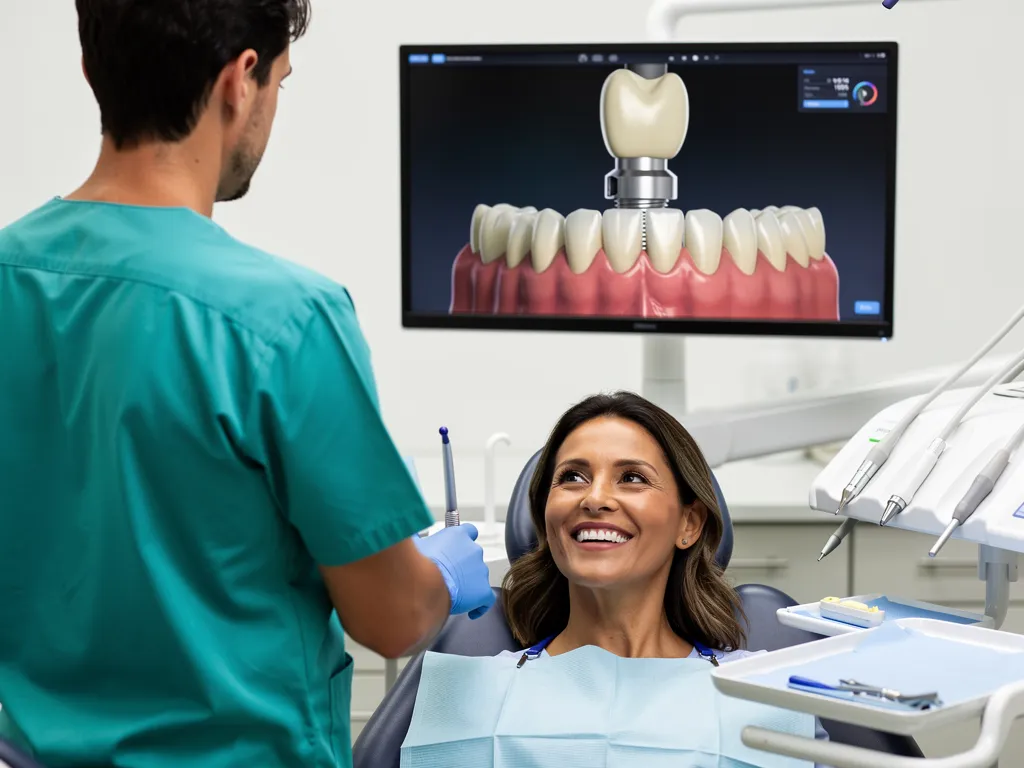
Comprehensive Dental Implant Procedures and Recovery Guidance for Patients
Dental implants are a transformative solution for individuals experiencing tooth loss. They not only restore functionality but also enhance aesthetics, enabling individuals to regain confidence in their smiles. Throughout this article, readers will gain insights into dental implant procedures, recovery guidelines, and aftercare recommendations. Understanding the detailed steps involved in dental implants helps patients make informed decisions and navigate the recovery process smoothly. This guide covers the types of dental implants, potential risks, costs, and essential aftercare practices that are vital for a successful outcome. It draws on the clinical approach used at Platinum Smile Dental in Mandurah, where implant treatments are led by principal dentist Dr. Eugene Khoo, who brings more than two decades of clinical experience, with the team maintaining current standards as members of the Australian Dental Association.
Understanding the Dental Implant Procedure and Recovery Process
The dental implant process involves several critical stages to ensure the successful integration of the implants into the jawbone.
Initial Consultation and Assessment: Your dentist will evaluate your oral health and create a comprehensive treatment plan.
Surgical Placement: The implant is surgically placed into the jawbone, serving as an artificial root for a prosthetic tooth.
Healing Period (Osseointegration): The implant integrates with the bone over several months, a process known as osseointegration.
Prosthetic Restoration: After healing, a custom prosthetic crown is attached to the implant, completing the restoration.
Initial Consultation and Assessment: Your dentist will evaluate your oral health and create a comprehensive treatment plan.
Surgical Placement: The implant is surgically placed into the jawbone, serving as an artificial root for a prosthetic tooth.
Healing Period (Osseointegration): The implant integrates with the bone over several months, a process known as osseointegration.
Prosthetic Restoration: After healing, a custom prosthetic crown is attached to the implant, completing the restoration.
These meticulously planned steps not only ensure success but also contribute to long-term patient satisfaction and comfort.
Recovery Guidelines
Recovering from dental implant surgery involves careful adherence to guidelines that promote healing and minimize complications.
First 48-72 Hours Care: Patients should rest and avoid strenuous activities to facilitate healing.
Post-operative Check-up: Follow-up appointments are crucial to monitor healing and address any concerns.
Hygiene Maintenance: Maintaining oral hygiene is essential, starting gently in the first few days and gradually returning to regular habits.
First 48-72 Hours Care: Patients should rest and avoid strenuous activities to facilitate healing.
Post-operative Check-up: Follow-up appointments are crucial to monitor healing and address any concerns.
Hygiene Maintenance: Maintaining oral hygiene is essential, starting gently in the first few days and gradually returning to regular habits.
Adhering to these guidelines significantly impacts the overall success of the implant procedure and aids in a quicker recovery.
Potential Risks
Like any surgical procedure, dental implants carry potential risks. Key concerns include:
Infection: There is a risk of infection at the surgical site that can impede healing.
Implant Failure Risks: Although rare, there is a possibility that the implant may not successfully integrate with the jawbone.
Nerve Irritation: Nerve damage can occur during surgery, potentially leading to pain or discomfort in the surrounding area.
Infection: There is a risk of infection at the surgical site that can impede healing.
Implant Failure Risks: Although rare, there is a possibility that the implant may not successfully integrate with the jawbone.
Nerve Irritation: Nerve damage can occur during surgery, potentially leading to pain or discomfort in the surrounding area.
Patients should discuss these risks with their dental professional to make informed decisions.
Aftercare Recommendations
Aftercare is a critical component in ensuring the longevity of dental implants. Key practices include:
Hygiene Practices: Employ gentle brushing and flossing techniques to maintain cleanliness around the implant site.
Regular Dental Check-ups: Schedule consistent appointments with your dentist for monitoring the condition of the implants.
Lifestyle Changes for Implant Longevity: Avoid smoking and excessive alcohol consumption, as these can affect healing.
Hygiene Practices: Employ gentle brushing and flossing techniques to maintain cleanliness around the implant site.
Regular Dental Check-ups: Schedule consistent appointments with your dentist for monitoring the condition of the implants.
Lifestyle Changes for Implant Longevity: Avoid smoking and excessive alcohol consumption, as these can affect healing.
These aftercare practices contribute to the long-term success of the implants, ensuring they function well and maintain a natural appearance.
Summary
In summary, dental implants are a reliable option for restoring smiles and improving oral health. The proper procedures, attentive recovery practices, and diligent aftercare significantly influence the success of dental implants. Regular check-ups and maintenance play a crucial role in preventing complications and ensuring the best outcomes for patients.
What Are Dental Implants and How Do They Restore Smiles?
Dental implants are artificial tooth roots that provide a permanent base for fixed or removable replacement teeth. They are typically made of titanium, which integrates with the jawbone through osseointegration, making them a durable and effective solution for missing teeth. These implants help restore both the function and aesthetics of a person’s smile, allowing for normal eating, speaking, and improved confidence.
Procedure Involved
The dental implant process is comprehensive, requiring meticulous planning and execution. It generally involves multiple steps:
Assessment and Planning: The initial step involves X-rays and impressions to create a tailored treatment plan.
Surgical Placement: The dentist surgically inserts the implant into the jawbone.
Healing Period: After placement, a healing period of several months is essential for bone integration before the restoration process begins.
Assessment and Planning: The initial step involves X-rays and impressions to create a tailored treatment plan.
Surgical Placement: The dentist surgically inserts the implant into the jawbone.
Healing Period: After placement, a healing period of several months is essential for bone integration before the restoration process begins.
This thorough approach ensures a successful outcome for patients seeking dental implants.
Benefits for Patients
Opting for dental implants carries various benefits, including:
Restored Functionality: Implants allow patients to eat and speak naturally, improving their quality of life.
Aesthetic Improvement: They look and feel like natural teeth, helping to maintain facial structure.
Jawbone Preservation: Implants prevent bone loss that typically occurs after tooth loss, maintaining jaw integrity.
Restored Functionality: Implants allow patients to eat and speak naturally, improving their quality of life.
Aesthetic Improvement: They look and feel like natural teeth, helping to maintain facial structure.
Jawbone Preservation: Implants prevent bone loss that typically occurs after tooth loss, maintaining jaw integrity.
These advantages make dental implants a preferred choice for many patients.
Recovery Guidance
Recovery from dental implant surgery varies between individuals, but general guidance includes:
Initial Care Suggestions: Follow the dentist’s recommendations for pain management and care during the healing phase.
Follow-Up Visits: Regular check-ups are critical to monitor healing and address any potential issues promptly.
Long-Term Maintenance: After healing, maintaining the implant involves regular oral hygiene and professional check-ups.
Initial Care Suggestions: Follow the dentist’s recommendations for pain management and care during the healing phase.
Follow-Up Visits: Regular check-ups are critical to monitor healing and address any potential issues promptly.
Long-Term Maintenance: After healing, maintaining the implant involves regular oral hygiene and professional check-ups.
Understanding these recovery elements is crucial for ensuring the longevity and success of dental implants.
Definition and Types of Dental Implants Including All on 4
Dental implants can be categorized into several types based on their placement and structure:
Endosteal Implants: The most common type, inserted directly into the jawbone.
Subperiosteal Implants: Placed under the gum but above the jawbone, typically used for patients lacking sufficient bone height.
Mini Implants: Smaller in diameter, often used for less invasive procedures.
Endosteal Implants: The most common type, inserted directly into the jawbone.
Subperiosteal Implants: Placed under the gum but above the jawbone, typically used for patients lacking sufficient bone height.
Mini Implants: Smaller in diameter, often used for less invasive procedures.
Additionally, the All on 4 technique allows the placement of multiple implants in a single surgery, supporting a full arch of prosthetic teeth for full mouth restoration, which is a popular option for many patients seeking a complete, long-lasting solution.
Functions and Benefits of Dental Implants
The primary functions of dental implants include:
Restoration of Function: They restore chewing ability and speech patterns, which can be impacted by missing teeth.
Aesthetic Improvement: Dental implants provide a natural-looking solution that enhances overall facial appearance.
Jawbone Preservation: The integration of the implants with the jawbone stimulates bone growth, preventing deterioration over time.
Restoration of Function: They restore chewing ability and speech patterns, which can be impacted by missing teeth.
Aesthetic Improvement: Dental implants provide a natural-looking solution that enhances overall facial appearance.
Jawbone Preservation: The integration of the implants with the jawbone stimulates bone growth, preventing deterioration over time.
The multifaceted benefits of dental implants underscore their role in modern dentistry.
Differences Between Implant Types
Different types of dental implants serve distinct purposes, characterized by their placement and structural design:
Placement Differences: Endosteal implants are directly placed in the jawbone, while subperiosteal implants rest beneath the gum.
Use Cases for Each Type: Mini implants are often used in cases with limited space due to their smaller size.
Success Rates Comparison: Endosteal implants showcase higher success rates compared to subperiosteal implants, based on integration with bone density.
Placement Differences: Endosteal implants are directly placed in the jawbone, while subperiosteal implants rest beneath the gum.
Use Cases for Each Type: Mini implants are often used in cases with limited space due to their smaller size.
Success Rates Comparison: Endosteal implants showcase higher success rates compared to subperiosteal implants, based on integration with bone density.
Understanding these differences helps patients make informed decisions regarding their dental restoration options.
Benefits of Choosing Dental Implants for Oral Restoration
Choosing dental implants for oral restoration offers several key advantages:
Functional Restoration: Implants replace missing teeth effectively, restoring normal function.
Improved Aesthetics: They provide a lifelike appearance, enhancing self-esteem and confidence.
Jawbone Preservation: Implants stimulate the jawbone, preventing atrophy and maintaining facial structure.
Functional Restoration: Implants replace missing teeth effectively, restoring normal function.
Improved Aesthetics: They provide a lifelike appearance, enhancing self-esteem and confidence.
Jawbone Preservation: Implants stimulate the jawbone, preventing atrophy and maintaining facial structure.
These benefits illustrate why many patients opt for dental implants over other restoration methods.
How Is the Dental Implant Procedure Performed by Expert Implant Dentists?
Expert implant dentists follow a systematic approach to performing dental implants to ensure success:
Initial Consultation: The process begins with an in-depth assessment of oral health and a customized treatment plan.
Surgical Process: The implant is placed in the jawbone in a sterile surgical environment.
Post-operative Care: Pain management and care instructions are provided to facilitate healing.
Initial Consultation: The process begins with an in-depth assessment of oral health and a customized treatment plan.
Surgical Process: The implant is placed in the jawbone in a sterile surgical environment.
Post-operative Care: Pain management and care instructions are provided to facilitate healing.
This structured approach allows for optimal results and patient safety.
Step-by-Step Overview of Implant Dental Surgery
The surgical procedure for dental implants unfolds in several detailed steps:
Pre-operative Assessments: Comprehensive evaluations are conducted to determine suitability for implants.
Surgical Techniques: Various techniques may be employed based on the individual case, including flapless surgery and traditional methods.
Post-operative Instructions: Clear guidance is provided to aid in recovery and implant success.
Pre-operative Assessments: Comprehensive evaluations are conducted to determine suitability for implants.
Surgical Techniques: Various techniques may be employed based on the individual case, including flapless surgery and traditional methods.
Post-operative Instructions: Clear guidance is provided to aid in recovery and implant success.
This step-by-step overview summarizes the typical progression of dental implant surgery.
Role of an Implant Dentist Near Me in Consultation and Planning
The role of an implant dentist is crucial in the consultation and planning phases:
Initial Assessments: Dentists evaluate overall oral health and any specific issues that may affect the procedure.
Creating a Treatment Plan: A tailored plan is developed to meet the individual needs of the patient and anticipate potential challenges.
Local Specialization Benefits: Consulting with local specialists can provide updated techniques and innovations in dental implantology.
Initial Assessments: Dentists evaluate overall oral health and any specific issues that may affect the procedure.
Creating a Treatment Plan: A tailored plan is developed to meet the individual needs of the patient and anticipate potential challenges.
Local Specialization Benefits: Consulting with local specialists can provide updated techniques and innovations in dental implantology.
These interactions ensure patients have a thorough understanding of the process.
What Are the Costs Associated with Dental Implants and All On 4 Treatments?
The costs of dental implants can vary widely based on several factors, including:
Cost Comparisons of Different Options: Pricing for traditional implants and All on 4 treatments varies by package, so please contact the practice directly for an accurate quote tailored to your case.
Factors Influencing Pricing: Costs are influenced by the material of the implant, the complexity of the procedure, and additional treatments, such as extractions or bone grafting.
Cost Comparisons of Different Options: Pricing for traditional implants and All on 4 treatments varies by package, so please contact the practice directly for an accurate quote tailored to your case.
Factors Influencing Pricing: Costs are influenced by the material of the implant, the complexity of the procedure, and additional treatments, such as extractions or bone grafting.
Discussing these costs openly with your dental provider helps patients prepare financially for their procedures.
What Is the Expected Recovery Time After Dental Implant Surgery?
The recovery time following dental implant surgery varies based on individual health and the complexity of the procedure, typically spanning:
Different Recovery Stages: Immediate healing occurs within the first few days, while complete osseointegration can take 2-6 months.
Factors Affecting Recovery Time: Individual health factors, such as age and bone quality, significantly influence recovery duration.
Different Recovery Stages: Immediate healing occurs within the first few days, while complete osseointegration can take 2-6 months.
Factors Affecting Recovery Time: Individual health factors, such as age and bone quality, significantly influence recovery duration.
Being aware of these timelines assists patients in planning their post-operative care and expectations.
Typical Dental Implant Recovery Stages and Patient Care
Recovery following dental implant surgery involves various stages:
Immediate Post-operative Care: This stage focuses on managing discomfort and promoting initial healing.
Monitoring Recovery Progress: Regular visits to the dentist are essential to assess healing and address any complications.
Long-term Maintenance: After initial healing, ongoing dental care is vital for sustaining the integrity of the implants.
Immediate Post-operative Care: This stage focuses on managing discomfort and promoting initial healing.
Monitoring Recovery Progress: Regular visits to the dentist are essential to assess healing and address any complications.
Long-term Maintenance: After initial healing, ongoing dental care is vital for sustaining the integrity of the implants.
Understanding these stages aids patients in navigating their recovery effectively.
How to Manage Comfort and Support Healing at Home
Managing comfort and supporting healing at home includes:
Postoperative Care Tips: Use prescribed medications and apply ice packs to reduce swelling as recommended.
Pain and Swelling Management: Follow guidelines on over-the-counter pain management and watch for signs of complications.
Postoperative Care Tips: Use prescribed medications and apply ice packs to reduce swelling as recommended.
Pain and Swelling Management: Follow guidelines on over-the-counter pain management and watch for signs of complications.
Implementing these strategies helps facilitate a smoother recovery experience.
How to Maintain Dental Implants for Long-Term Oral Health and Function?
Maintaining dental implants is critical for their longevity and includes:
Daily Self-Care Routines: Patients should adhere to strict oral hygiene practices, including regular brushing and flossing.
Professional Maintenance Visits: Schedule routine check-ups to monitor the condition of the implants and surrounding tissues.
Daily Self-Care Routines: Patients should adhere to strict oral hygiene practices, including regular brushing and flossing.
Professional Maintenance Visits: Schedule routine check-ups to monitor the condition of the implants and surrounding tissues.
Establishing a comprehensive maintenance routine contributes to the overall health of the implants and surrounding bone structure.
Recommended Aftercare Practices for Implant Longevity
Aftercare practices are vital for the success and longevity of dental implants:
Hygiene Practices: Use a soft-bristled toothbrush to prevent damage during cleaning.
Lifestyle Adjustments: Consider dietary changes and avoid smoking, which can impair healing.
Hygiene Practices: Use a soft-bristled toothbrush to prevent damage during cleaning.
Lifestyle Adjustments: Consider dietary changes and avoid smoking, which can impair healing.
Focusing on these aftercare practices ensures that dental implants provide years of service.
Follow-Up Consultations and Regular Check-Ups with Your Dentist
One of the most important factors in ensuring the success of dental implants is regular follow-up consultations:
Monitoring Implant Success: Regular check-ups help assess the health of the implants and surrounding oral tissue.
Checking for Complications: Early detection of any issues can prevent more significant problems and ensure implants’ longevity.
Monitoring Implant Success: Regular check-ups help assess the health of the implants and surrounding oral tissue.
Checking for Complications: Early detection of any issues can prevent more significant problems and ensure implants’ longevity.
Commitment to consistent dental visits fosters both confidence in outcomes and proactive oral health management.